
 One of the tests that I use for determining the validity of a biblical text or translation is the test of inerrancy. This is one of the primary reasons that I prefer the Textus Receptus over the critical text. If the Word of God is inerrant, then the critical text cannot be the pure Word of God, for it contains many errors that are overlooked simply because the compilers of that text do not hold to the doctrine of inerrancy.
0 Comments
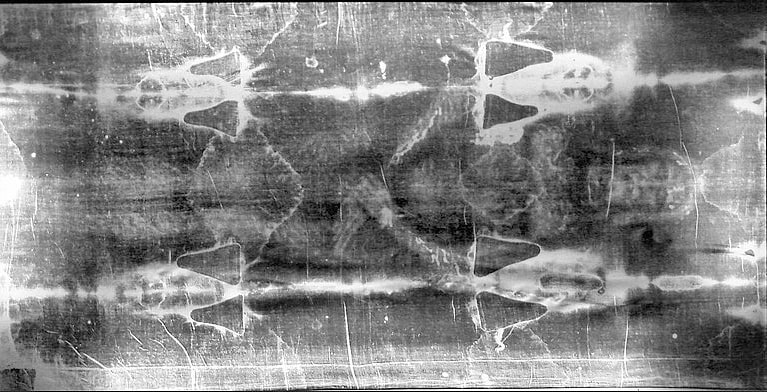 The Shroud of Turin does not fit the biblical description of the burial clothes of Christ. According to the Bible, the body of Jesus was wrapped in a linen cloth, but His head was wrapped in a napkin (John 20:7). This was the standard burial practice of the Jews (John 19:40) as evidenced by the fact that Lazarus was also buried with a linen cloth around his body and a napkin around his head (John 11:44). The Shroud of Turin cannot be the burial cloth of Jesus because it contradicts the biblical description of His burial.
 There are many Christians today who are confused and uncertain about the topic of transsexuality. They are taught that God makes people transsexual, and that Christians must accept this out of love, but to claim that God made someone both male and female is an open accusation that God is the author of confusion. This is a direct contradiction of God's statement in I Corinthians 14:33 that He is not the author of confusion.
 My first debate with an atheist took place during a church youth activity when I was only 14 or 15. One of the girls in our church had invited a young man to come with her, and at some point in the evening, he told us that Christians were silly for believing in God in the first place.
 Scan of the note concerning Revelation 22:19 from Erasmus’s original 1516 publication Chapter 4: Erasmus and the Apocalypse
In chapter four, White begins his discussion of specific passages in the KJV. The first passage he presents comes from the conclusion of the Book of Revelation. His discussion of this passage is broken up over a span of twelve pages, so I’ll copy the relevant statements here before proceeding. Beginning on page 55, White writes, 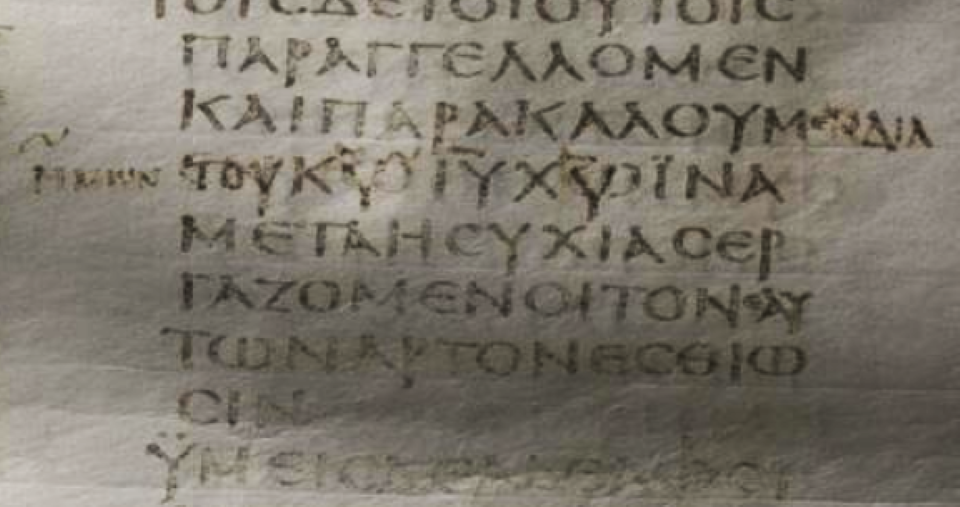 This is the third installment in my series responding to James White's book The King James Only Controversy. In this article, I respond to several of White's claims regarding Codex Sinaiticus, one of the main Greek manuscripts used for the modern translations.
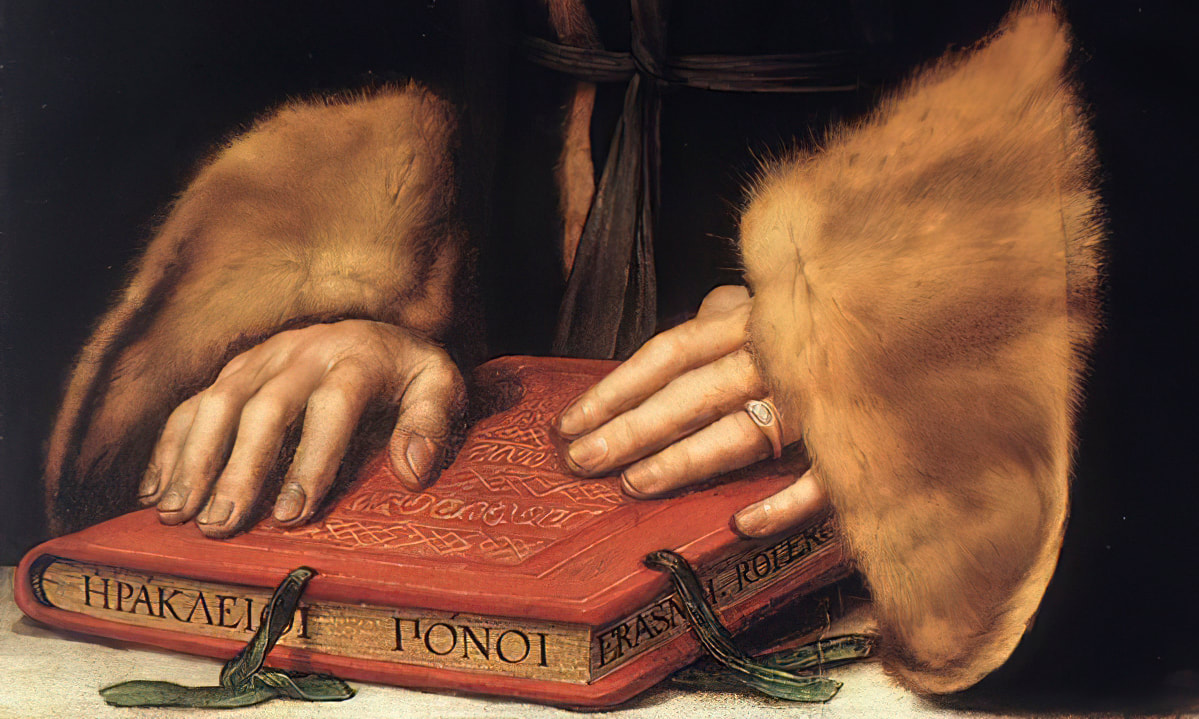 As I mentioned in Part 1 of this series, I am writing a detailed response to James White's book The King James Only Controversy. I am defending the position that "the KJV is a faithful translation of the preserved text of God's inspired and inerrant Word." This article picks up my response to White in the second half of Chapter 2 of White's book.
 Over the past several years, I’ve seen a significant increase in the number of people that I know personally who have referenced James White’s book The King James Only Controversy in defense of their decision to abandon the use of the KJV in favor of various modern translations. White’s book is often presented by these individuals as a scholarly and irrefutable answer to the KJV Only position. I picked up a copy of White’s book several years back hoping to interact with a scholarly treatment of the topic, but I was sorely disappointed. I found White’s work to be childish and his arguments fallacious. I set the book aside with no plans to ever pick it up again, but with its current increase in popularity, I decided to read through it again and force myself to write a response.
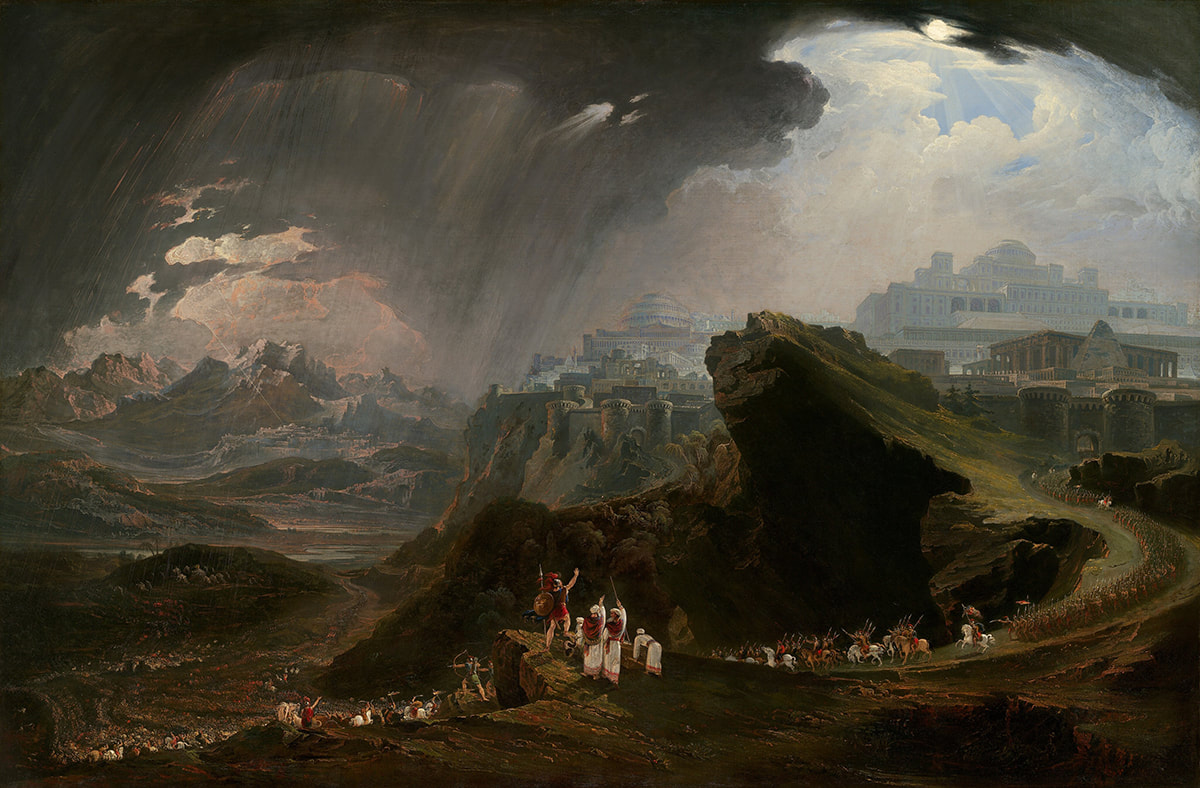 The events in Joshua chapter ten followed right after the nation of Israel had been deceived into breaking the command of God. God had told them to march into Canaan and kill all the inhabitants of the land. Israel had successfully destroyed Jericho and Ai, but then the city of Gibeon sent men disguised as travelers from a distant land to trick Israel into signing a peace treaty and forming an alliance with them. In Exodus 23:32-33, God had specifically forbidden Israel from making any covenants with the people in Canaan. He said, "Thou shalt make no covenant with them, nor with their gods. They shall not dwell in thy land." Israel fell for the deception of Gibeon, and by signing the treaty, they violated the command of God. Chapter nine ends with Israel’s realization of their sin, but look at how God turned their mistake into a victory in Chapter ten.
|

Bill Fortenberry is a Christian philosopher and historian in Birmingham, AL. Bill's work has been cited in several legal journals, and he has appeared as a guest on shows including The Dr. Gina Show, The Michael Hart Show, and Real Science Radio.
Contact Us if you would like to schedule Bill to speak to your church, group, or club. "Give instruction to a wise man, and he will be yet wiser: teach a just man, and he will increase in learning." (Proverbs 9:9)
Search
Topics
All
Archives
June 2024
|
 RSS Feed